
EV Charging and the Second Life of Obsolete Gas Stations
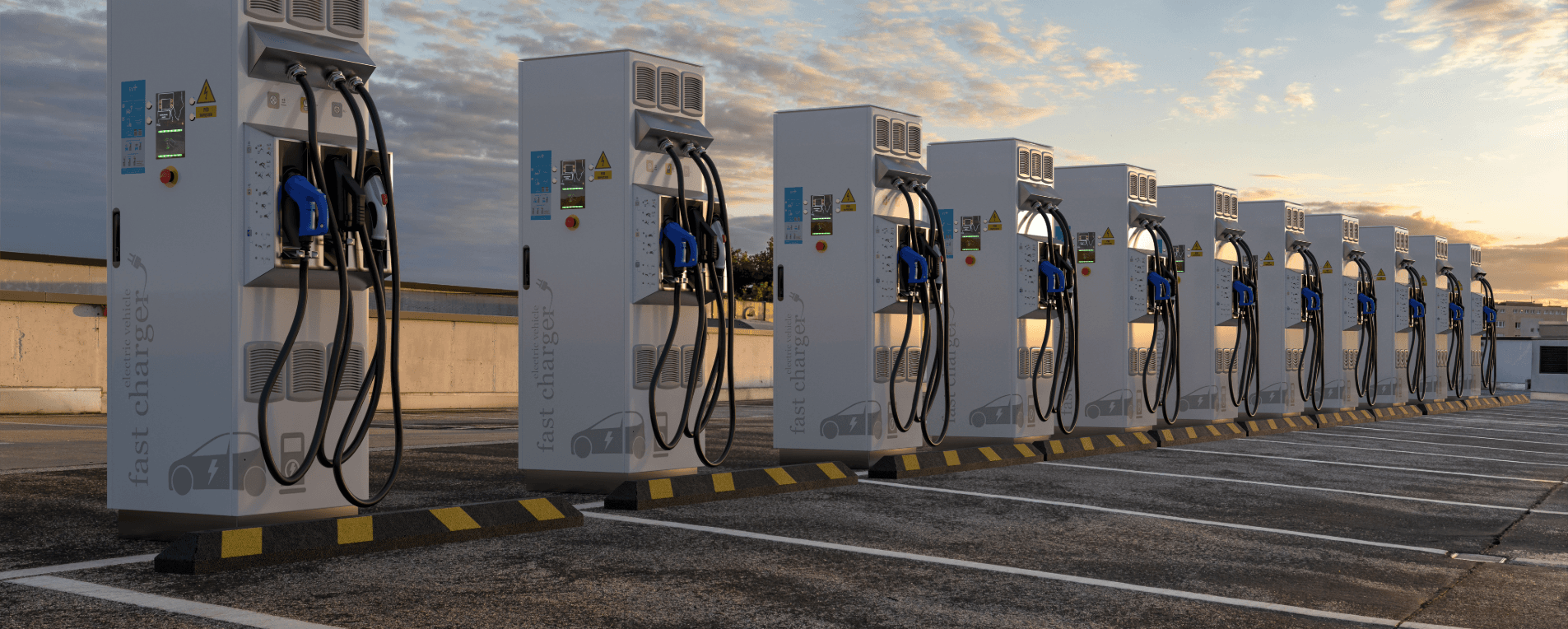
As traditional fuel demand stabilizes and retail site requirements evolve, many former gas stations have become difficult to reposition. EV charging stations are increasingly being considered as a potential reuse option for vacant or functionally obsolete gas station sites. In certain cases, EV charging infrastructure may align more closely with the physical and regulatory characteristics of these properties than conventional retail uses.
Why Gas Stations Are Difficult to Re-Tenant
Environmental Overhang
Nearly all former gas station sites raise environmental considerations. Underground storage tanks, historical petroleum releases, soil or groundwater contamination, and vapor intrusion risk are common factors. Even sites that were remediated in prior years may continue to carry regulatory or perception-related constraints.
From a tenant and lender perspective, the concern often extends beyond known conditions to potential future liabilities, including the discovery of additional contamination, ongoing monitoring requirements, or land-use restrictions. These factors can limit the pool of potential users and complicate financing.
Obsolete Building Design
Most gas station improvements were designed around a limited operational footprint, typically consisting of a cashier counter, minimal back-of-house space, constrained plumbing, and dated mechanical systems. Adapting these structures for modern retail, food service, or service-oriented uses frequently requires substantial capital investment.
Common challenges include ADA compliance, expanded restroom requirements, insufficient ceiling heights, and inadequate back-of-house functionality. In many cases, the existing building provides limited reuse value relative to the cost of conversion.
Site Size and Configuration Constraints
Many gas station parcels are less than half an acre and feature shallow lot depths, limited curb cuts, and restricted vehicle stacking capacity. These characteristics can be incompatible with many of today’s expanding retail formats, including drive-thru, fast-casual, and high-volume service concepts. Even where market demand exists, physical site limitations may prevent viable retail reuse.
How EV Charging May Align With These Constraints
EV charging infrastructure differs from traditional retail uses in that it does not require an enclosed building and can often be deployed within an existing parking or forecourt layout. Former pump areas, parking fields, and existing ingress and egress points may be reused without extensive structural modification.
This approach may allow certain sites to generate income without the same level of building conversion or site reconfiguration required by retail tenants. However, feasibility is highly site-specific and dependent on factors such as power availability, utility coordination, permitting timelines, and capital requirements.
From an environmental standpoint, transitioning former fuel-oriented sites to electric infrastructure may be viewed by some municipalities and stakeholders as a change in use that aligns with broader transportation and energy objectives.
Regulatory oversight and remediation considerations, however, continue to apply and remain a factor in site feasibility.
Lease Structure and Tenant Characteristics
EV charging operators typically incur meaningful upfront capital costs, including electrical upgrades, trenching, equipment installation, and site improvements. As a result, leases are often structured as longer-term ground leases, frequently ranging from 10 to 20 years.
For property owners, this lease profile may offer income stability relative to shorter-term retail leases. At the same time, long-term commitments introduce considerations related to technology evolution, utilization risk, and the long-term competitiveness of a given charging location.
Repositioning Functionally Constrained Retail Sites
For owners of vacant or underperforming gas stations, EV charging represents one potential approach to addressing sites that are constrained by size, configuration, or environmental history. These properties often remain well-located and visible but face structural barriers to traditional retail reuse.
As EV adoption expands, charging infrastructure is becoming a more common component of roadside land use. As a result, some obsolete gas stations may be candidates for conversion to alternative vehicular-oriented uses, including EV charging, where site conditions, power access, and market demand align.